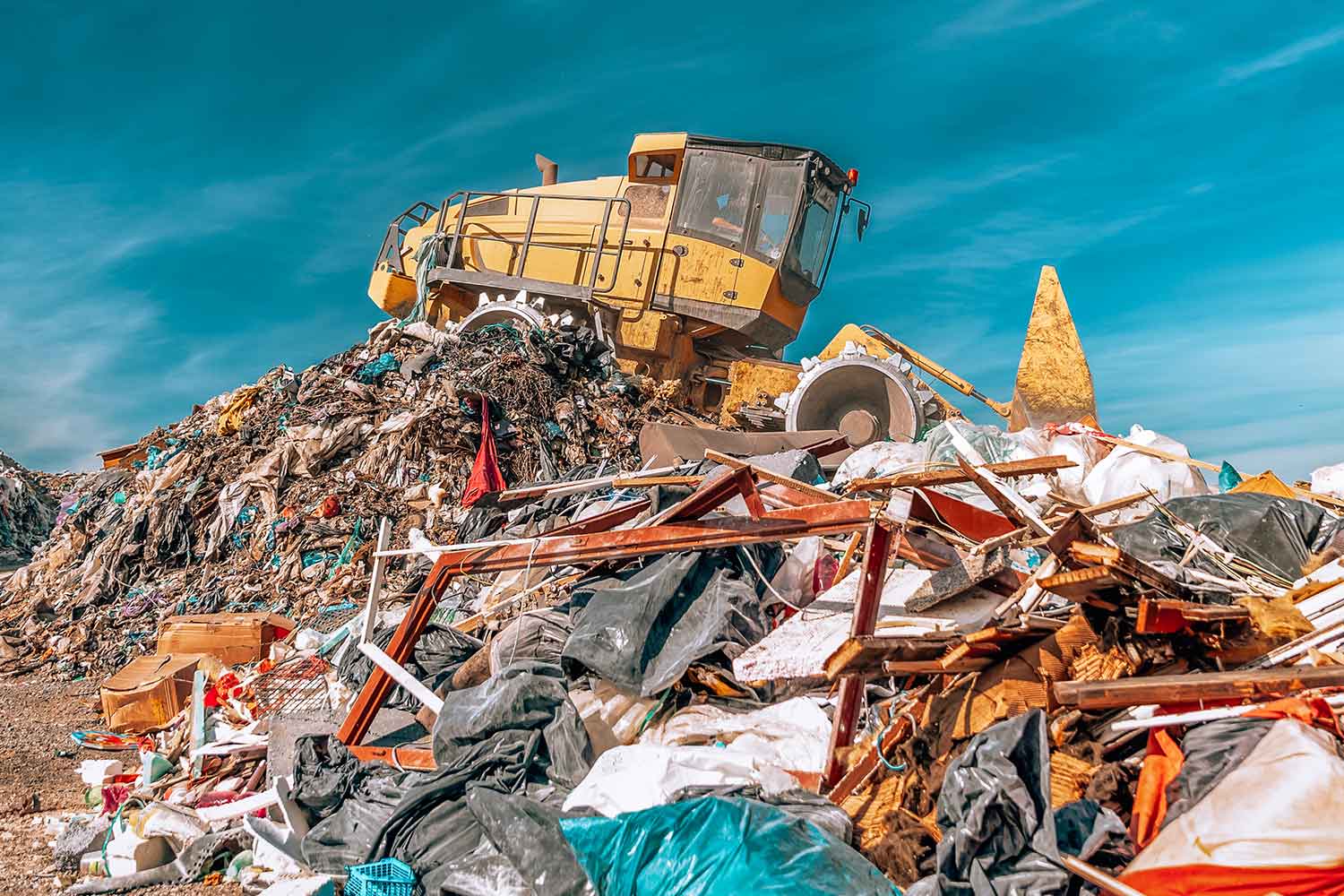

Construction projects—whether small home renovations or large-scale builds—generate a significant amount of debris. From drywall and wood scraps to concrete and metal, managing this waste properly is essential for safety, efficiency, and compliance.
This guide covers everything you need to know about construction debris removal, including best practices, disposal options, costs, and tips to keep your project running smoothly.
⸻
What Is Construction Debris Removal?
Construction debris removal involves collecting, hauling, and disposing of waste materials generated during construction, renovation, or demolition projects.
Common types of debris include:
• Wood and lumber scraps
• Drywall and plaster
• Concrete, bricks, and asphalt
• Metal and wiring
• Roofing materials (shingles, tiles)
• Packaging materials
⸻
Why Proper Debris Removal Matters
Improper handling of construction debris can lead to:
• Safety hazards (sharp objects, unstable piles)
• Delays in project timelines
• Environmental harm
• Potential fines for improper disposal
Keeping your job site clean improves productivity and reduces risks.
⸻
Best Practices for Construction Debris Removal
- Plan Ahead
Before starting your project:
• Estimate the volume of debris
• Decide on disposal methods
• Allocate space for waste storage
⸻
- Separate Materials
Sorting debris helps with recycling and cost savings:
• Wood
• Metal
• Concrete
• General waste
⸻
- Use Proper Containers
Options include:
• Dumpsters
• Roll-off containers
• Designated waste piles
⸻
- Schedule Regular Cleanup
Don’t wait until the end:
• Remove debris periodically
• Keep pathways clear
• Maintain a safe work environment
⸻
Disposal Options for Construction Debris
- Landfills
Most common option for mixed debris. - Recycling Centers
Many materials can be recycled:
• Metal
• Concrete
• Wood - Donation
Unused materials may be donated to:
• Habitat for Humanity
• Local nonprofits
⸻
Cost of Construction Debris Removal
Pricing depends on:
• Volume of debris
• Type of materials
• Weight
• Accessibility
Typical costs:
• Small project: $150 – $400
• Medium project: $400 – $800
• Large project: $800 – $2,000+
⸻
DIY vs Professional Debris Removal
DIY
• Lower upfront cost
• Requires time, labor, and transportation
Professional
• Faster and safer
• Includes hauling and disposal
• Ideal for large projects
⸻
Safety Tips
• Wear protective gear (gloves, boots, goggles)
• Avoid overloading containers
• Handle hazardous materials properly
⸻
Environmental Considerations
Reducing landfill waste is important. Focus on:
• Recycling materials
• Reusing items when possible
• Minimizing waste during construction
⸻
Final Thoughts
Construction debris removal is a critical part of any project. By planning ahead, following best practices, and understanding disposal options, you can maintain a safe and efficient job site.